Journal · 3 April 2026
What a personal learning path looks like on paper
The booklet is eight rows, not a mood board: a shelf, a reading, an exercise, and a date to bring the work back.
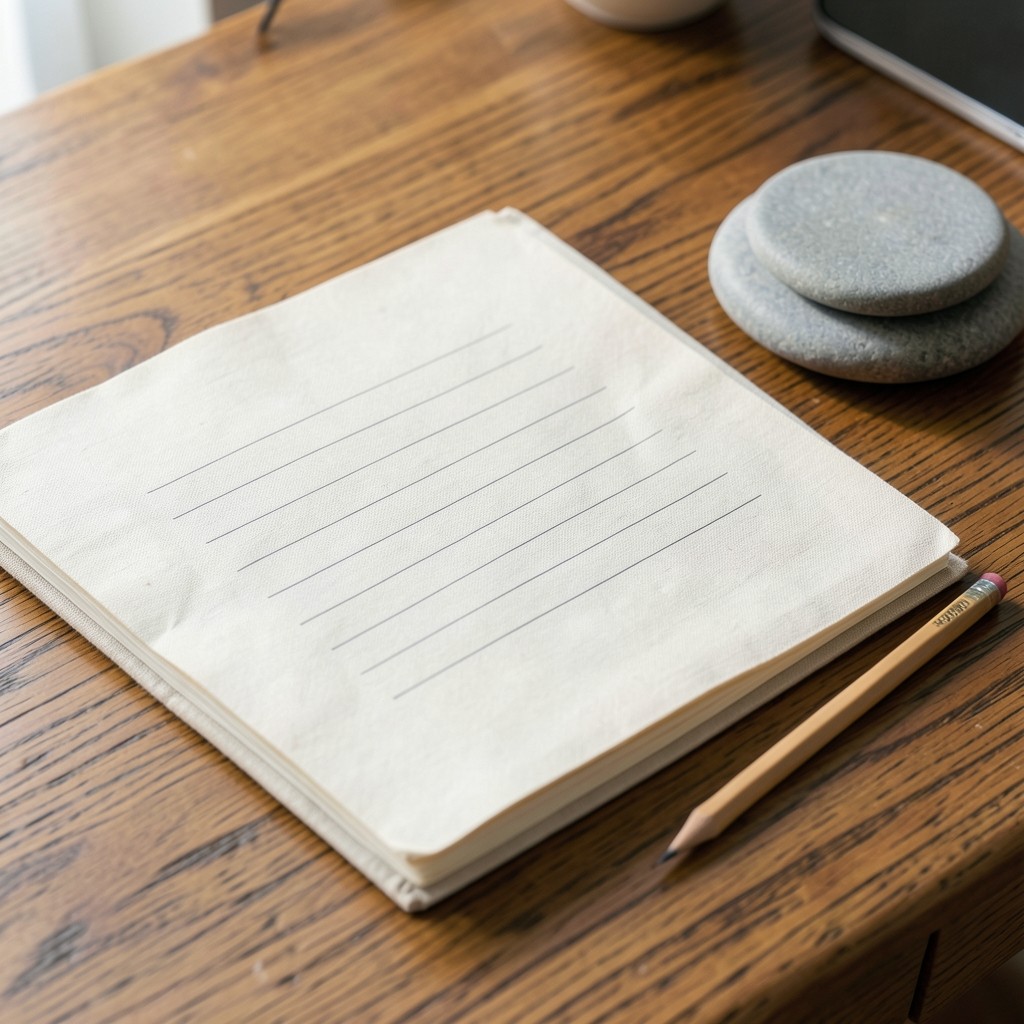
Eight rows, one reader
A path booklet from this room has eight rows because the engagement is eight weeks. Each row names the shelf, the pages in the library copy, the exercise, and the date the work is due if a review falls that week. There is no extra column for goals that cannot be observed.
The reader’s name is on the cover, along with the intake date. A second reader does not share the booklet. Study circles use a different packet, and mixing the two is how people end up with a group syllabus that ignores the notes they already have.
Where the draft usually changes
After intake, the first draft often puts programs in week three. That survives only if the reader could already explain an account at the sitting. Otherwise programs move to week six or off the booklet entirely, with a note that a later path can pick them up.
The midpoint review exists to move a row, not to add a ninth week. If rent is still foggy in week four, the transactions exercise shrinks. We would rather mark a row “repeat” than pretend the original order was sacred.
Paper, not a feed
We print the booklet because readers were losing the sequence inside bookmark folders. The desk copy stays on our shelf so a missed week can be reconstructed if the home copy is left on a ferry. Remote readers inside Korea can ask for the post; others receive a scan and print it themselves.
If you want to see the shape before you commission a path, ask at the desk to look at a retired sample with the name removed. The sample from 2025 stays in the wooden tray by the lamp.